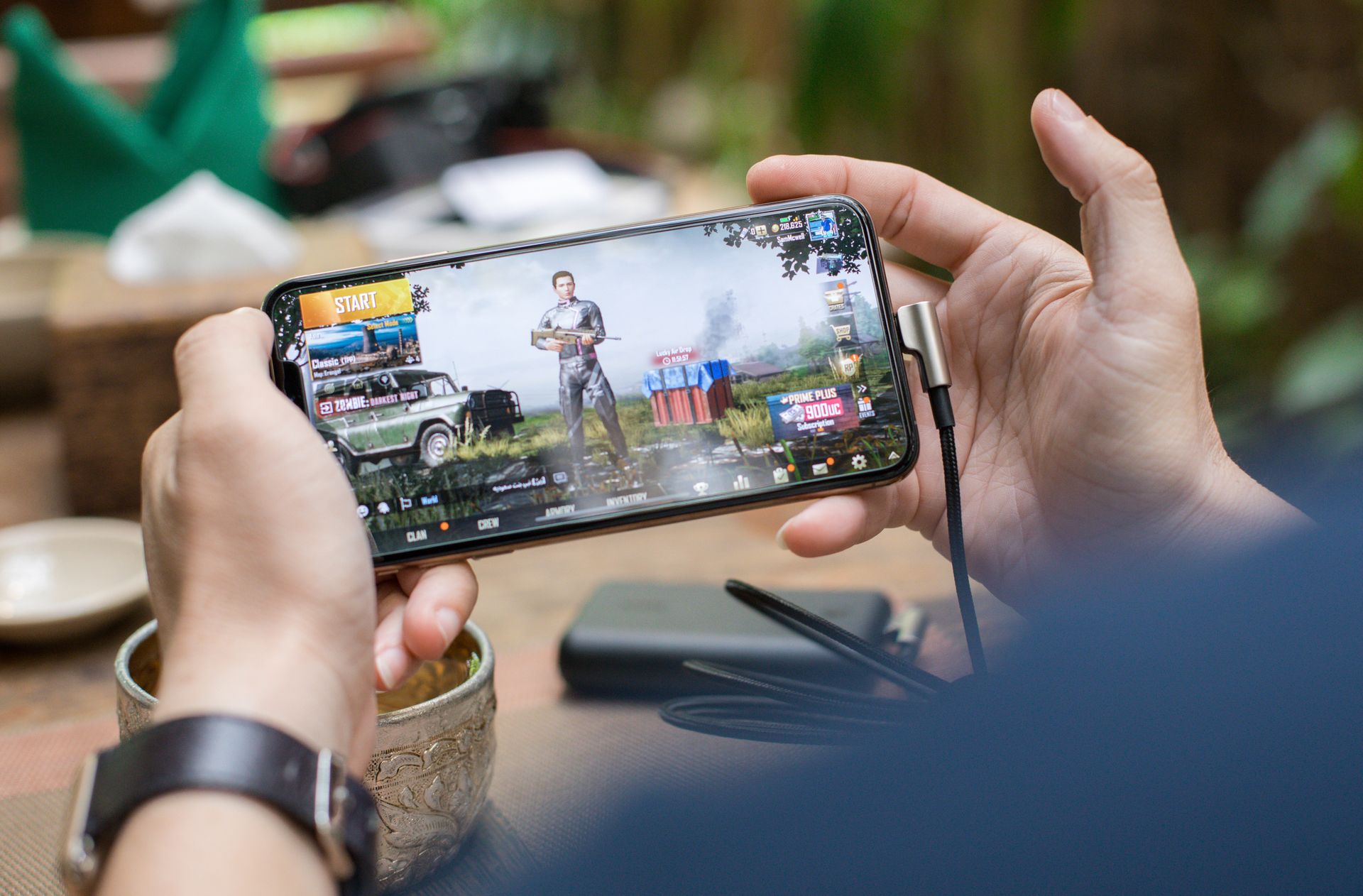
Mobile Game Development Company
We design, build and launch iOS and Android games in Unity, Unreal and Godot — hyper-casual to midcore — with the monetisation, analytics and performance the app stores reward.
A studio that publishes its own mobile games
We make and publish our own casual games, so we know launch is only the start. Retention, ad placement, store assets and low-end device performance decide whether a game survives its first week.
That publisher mindset shapes every client build: a playable prototype in the first sprints, features planned around your KPIs, and a store-ready build tested on real devices.
- Hyper-casual, hybrid-casual, casual & midcore
- Ads, IAP & subscription monetisation
- Analytics & attribution SDKs
- Store-ready builds & compliance
What we build
Our Mobile Game Development services
Full-cycle mobile development
Concept, game design, art, engineering and QA from one team — through to App Store and Google Play release.
Hyper & hybrid-casual
Fast prototypes that test CPI and day-1 retention, deepened with meta layers once the numbers justify it.
Casual & puzzle games
Match-3, merge, word, sort and idle games with level pipelines, economies and boosters.
Midcore & multiplayer
Action, shooter, racing and strategy games with real-time or async multiplayer and progression.
Monetisation design
Rewarded ads, IAP stores, battle passes and subscriptions placed where they earn without hurting retention.
Optimisation & SDKs
Frame-rate, memory and build-size tuning, plus ads, analytics and attribution SDKs wired up and verified.
Our Mobile Game Development process
Clear stages, visible progress and a playable build every week — no black boxes.
Discover
Goals, audience, platforms and budget turned into a clear scope, plan and estimate.
Scope · Estimate · RoadmapPrototype
A playable prototype that proves the core loop or key interaction before full production.
Playable prototypeProduce
Agile sprints with a playable build every week — art, code and design moving together.
Weekly buildsTest & launch
Real-device QA, optimisation and store submission, rehearsed well before launch day.
QA report · ReleaseGrow
LiveOps, updates and analytics — or a clean, documented handover to your team.
Updates · HandoverMobile Game Development FAQ
Which engine should my mobile game use?
Unity suits most mobile projects thanks to its mature ads and analytics ecosystem. Unreal fits high-fidelity 3D, and Godot is a strong licence-free option for lighter 2D and 3D games. We recommend one after discovery, based on your genre, team and budget.
How long does it take to develop a mobile game?
A hyper-casual prototype takes 2–4 weeks, a polished casual game typically 3–6 months, and midcore or multiplayer titles longer. You get a milestone plan before production starts.
Do we own the source code and IP?
Yes. In service engagements you own the game, source code and all art produced for it — it is written into the contract.
Do you support games after launch?
Yes. LiveOps retainers cover updates, events, bug fixes, SDK upkeep and store compliance.
You may also need
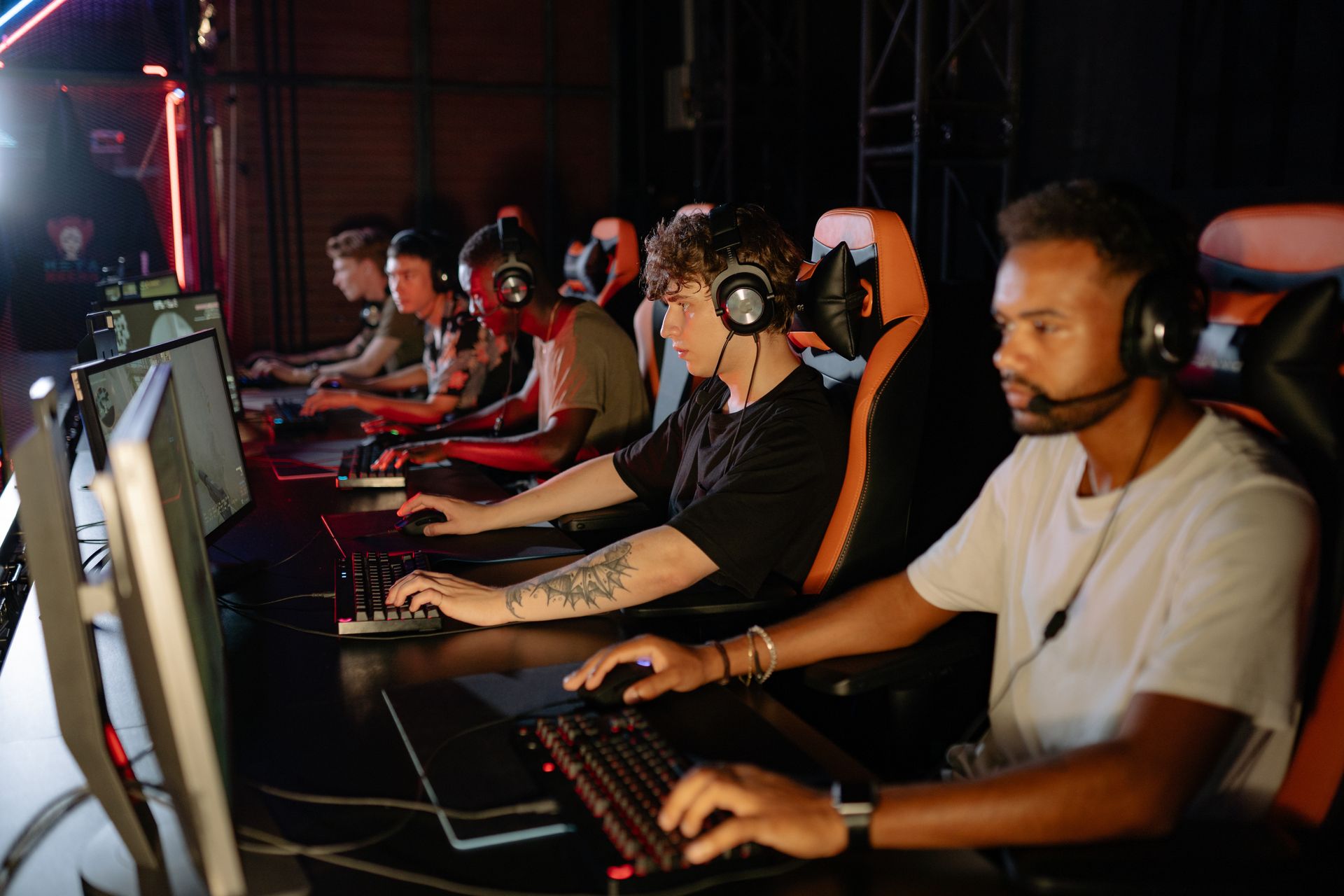
Multiplayer Game Development
Real-time PvP, co-op & MMO
QA, Launch & LiveOps
Testing, launch & live updates
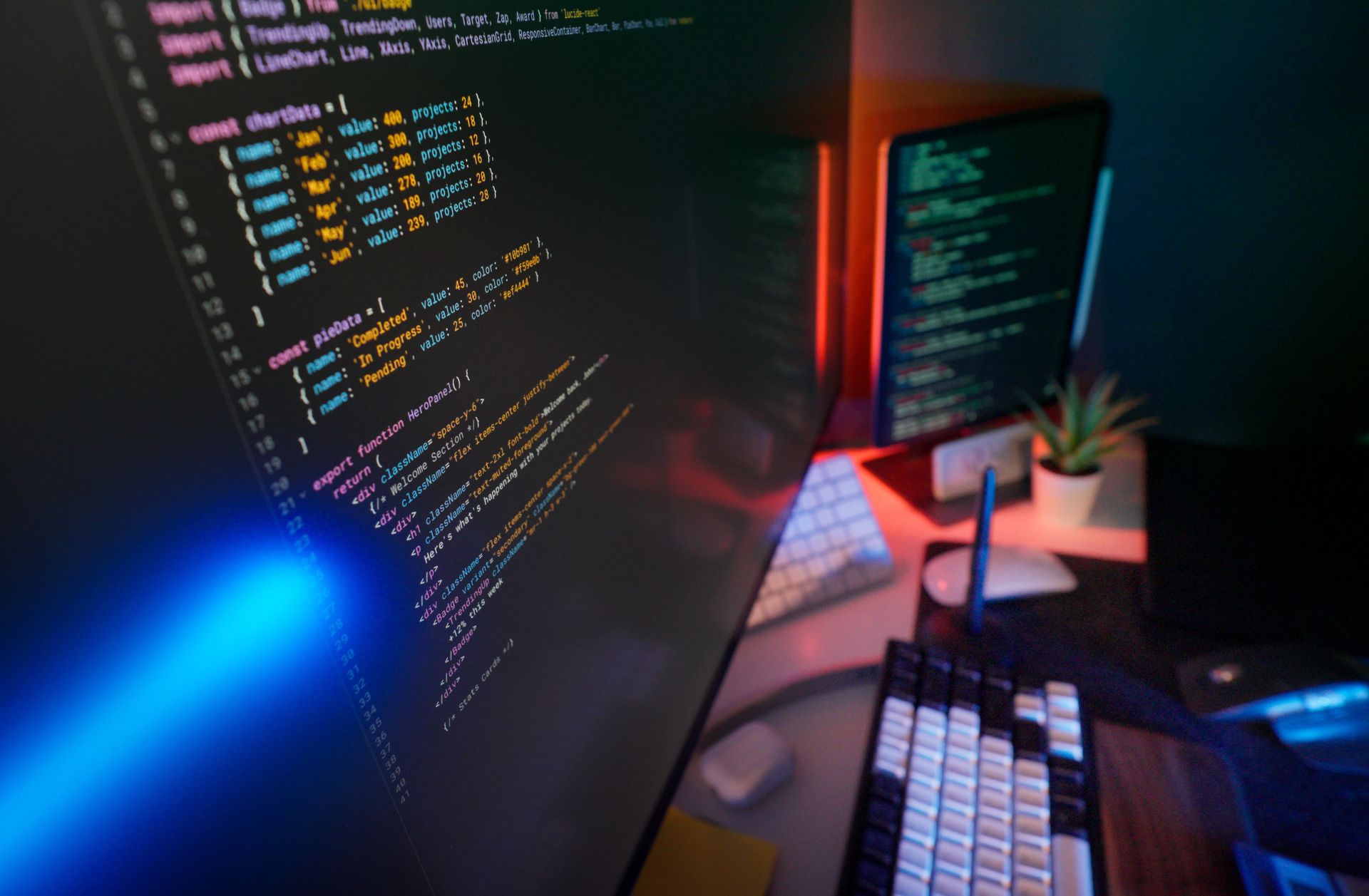
Unity Development
Unity games, XR & tools
Start your Mobile Game Development project
Share your idea, prototype or live game. We reply within one business day with questions, a suggested approach and a realistic estimate.
- Free discovery call & estimate
- NDA on request — your IP stays yours
- Dubai & UK teams, working worldwide